
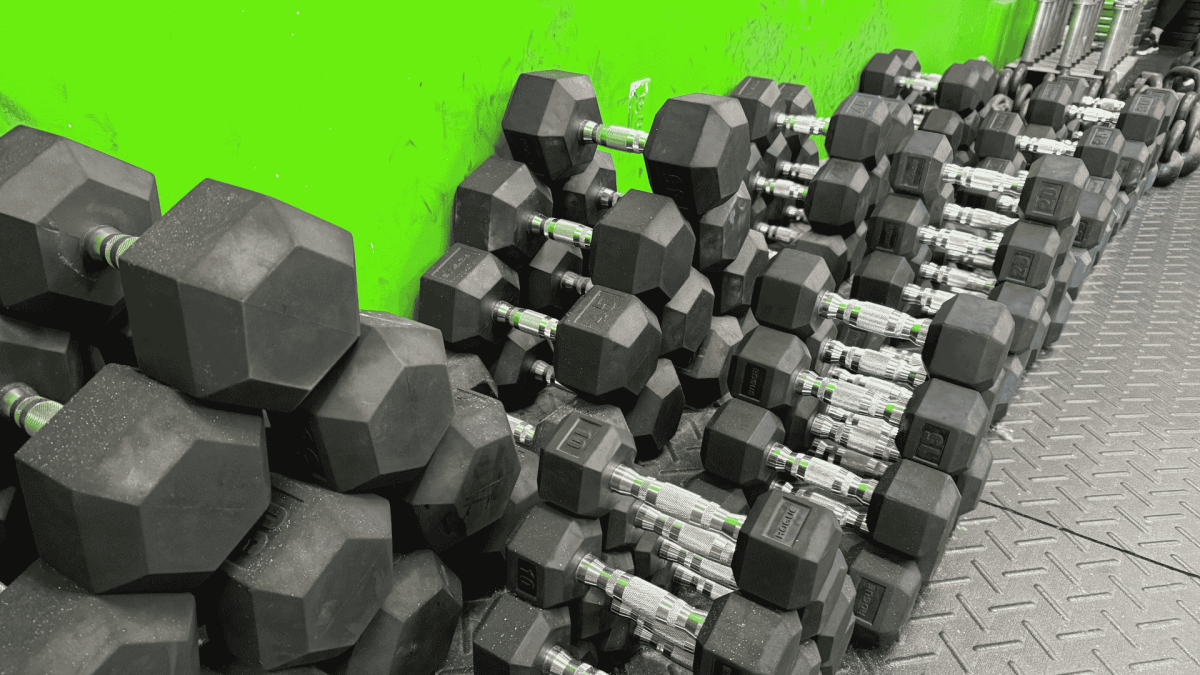
For years, the weight room was treated as off-limits territory for women. The myth that lifting weights would cause women to bulk up was pervasive, and it kept a lot of people away from one of the most effective tools available for long-term health, body composition, and confidence. That myth has been thoroughly debunked by research, but it still lingers in gym culture, and it still costs people results.
The truth is that strength training is one of the most beneficial forms of exercise available to women at any age and any fitness level. At Fitclub in Hendersonville, NC, we work with women every day who discover this for themselves, often wishing they had started sooner.
Quick Summary
- Strength training does not cause women to bulk up; it builds lean muscle and improves body composition
- Weight training significantly increases bone density, reducing the risk of osteoporosis
- Lifting boosts resting metabolic rate, helping the body burn more calories throughout the day
- Strength training supports mental health, hormonal balance, and long-term physical independence
- Fitclub offers beginner-friendly classes and personal training with expert guidance for women at every level
The Bulking Myth That Will Not Die
The fear of bulking is understandable given decades of fitness marketing that positioned women's training as inherently separate from strength work. The reality, however, is rooted in basic physiology. Women have significantly lower levels of testosterone than men, the primary hormone responsible for the kind of muscle hypertrophy that produces a bulky physique. For most women, building substantial muscle mass requires years of specialized, high-volume training paired with a significant caloric surplus. That does not happen from attending group classes or following a balanced strength program.
What does happen is this: the body develops lean muscle tissue, which is denser and more metabolically active than fat. As lean muscle increases and body fat decreases, the result is a firmer, more defined physique, not a larger one. This process is exactly what most women who come to Fitclub are looking for.
What Strength Training Actually Does for Women
It Improves Body Composition
The scale is one of the least useful tools for tracking fitness progress, especially when strength training is involved. Because muscle is denser than fat, two people with the exact same weight can look dramatically different depending on their body composition. Strength training shifts that composition in a favorable direction, increasing the proportion of lean tissue and reducing fat mass.
This means that as you get stronger, your clothes may fit better, your energy levels may improve, and you may look noticeably different even if the number on the scale does not change much. Body composition is the more meaningful metric, and strength training is one of the most effective ways to improve it.
It Builds Bone Density
This benefit does not get nearly enough attention, particularly for younger women. Bones are living tissue that respond to mechanical stress by becoming denser and stronger. Weight-bearing exercise, especially resistance training, is one of the most effective stimuli for bone remodeling.
Women are at significantly higher risk than men for osteoporosis, a condition characterized by reduced bone density that dramatically increases the risk of fractures as we age. Estrogen plays a protective role in bone health, and as estrogen levels decline in perimenopause and menopause, bone loss can accelerate. Strength training built into a woman's routine during her 20s, 30s, and 40s creates a greater bone density baseline, which pays dividends for decades.
It Boosts Resting Metabolism
Muscle tissue is metabolically expensive to maintain. The more lean muscle you carry, the more calories your body burns at rest, even while you are sitting at your desk, sleeping, or watching television. This is one of the key reasons why strength-based and high-intensity training tends to produce more sustainable fat loss over time than cardio alone.
Cardio burns calories during the session. Strength training builds the metabolic engine that burns calories continuously. Both have value, but the long-term metabolic benefits of muscle-building work are difficult to replicate through other means.
It Supports Hormonal Health
The relationship between strength training and hormonal balance in women is multifaceted. Regular resistance training has been shown to improve insulin sensitivity, reduce cortisol over time when programmed appropriately, and support healthy estrogen metabolism. For women navigating hormonal fluctuations related to their menstrual cycle, perimenopause, or conditions like polycystic ovary syndrome, resistance training is frequently recommended as a foundational intervention.
It is also worth noting that strength training improves sleep quality, and good sleep is itself essential for hormonal regulation. The benefits compound on each other in ways that go far beyond what happens in the gym.
It Improves Mental Health
The mental health benefits of exercise are well-established across the research literature. What is particularly notable about strength training is the specific psychological benefit of progressive overload: the experience of becoming measurably, demonstrably stronger over time. Lifting a weight you could not lift three months ago is a concrete, undeniable form of progress that builds genuine confidence.
Research also supports strength training as an effective intervention for reducing symptoms of anxiety and depression. The combination of physiological benefits, including hormonal regulation and improved sleep, and the psychological experience of mastery makes weight training one of the more powerful mental health tools available.
It Supports Long-Term Independence
Here is the benefit that tends to resonate most with women as they think about aging: the ability to move freely, carry things, get up off the floor, climb stairs, and maintain physical independence. Muscle mass naturally declines with age in a process called sarcopenia. Strength training is the most effective known intervention for slowing and partially reversing that decline.
Women who maintain regular strength training through midlife and beyond are measurably stronger, less likely to fall, less likely to fracture bones when they do fall, and more functionally capable in daily life. These are not small things. They are quality-of-life factors that determine how well and how independently a person lives in their later years.
Getting Started With Strength Training at Any Level
One of the most common barriers is not knowing where to begin. The weight room can feel intimidating, especially if you have never received formal instruction on movement patterns and technique. This is precisely where the value of a coached environment becomes clear.
At Fitclub, our HIIT classes incorporate strength-based movements in a structured, instructor-led format that is accessible for beginners and challenging for experienced members. Modifications are always available, and no one is expected to come in already knowing what they are doing. That is what the trainers are there for.
For women who prefer a more individualized approach, our 1-on-1 training program offers personalized programming built around your specific goals, starting point, and schedule. Whether you are working around a previous injury, training for a specific goal, or simply wanting dedicated coaching attention, one-on-one training removes the guesswork entirely.
What to Expect in the First Few Weeks
The early stages of strength training are often characterized by significant neurological adaptation. Your muscles learn to fire more efficiently, and coordination improves, often before visible physical changes occur. This is normal and important. The physical changes, improved muscle tone, body composition shifts, and measurable strength increases, follow as training volume and consistency accumulate.
Many women notice improved energy levels, better sleep, and mood improvements within the first few weeks, even before they see significant aesthetic changes. Those early wins are worth paying attention to, because they signal that the body is responding positively to the training stimulus.
Nutrition as a Partner to Strength Training
Strength training produces the training stimulus for muscle development, but nutrition supplies the raw materials. Adequate protein intake is particularly important for women who are strength training. Most research suggests a target of 0.7 to 1 gram of protein per pound of bodyweight per day for individuals engaged in regular resistance training.
Understanding protein supplements can help fill gaps when whole food sources are insufficient. At Fitclub, our team can walk you through the supplement options that make the most sense for your goals. For questions about pricing and membership options, visit our FAQ page.
Frequently Asked Questions
Will strength training make me look masculine?
No. The physiological reality is that women do not produce enough testosterone to build the kind of muscle mass associated with a masculine physique without highly specialized, long-term programming and specific dietary strategies. Regular strength training produces a leaner, more defined appearance, not a bulkier one.
How often should women strength train?
Two to four sessions per week is a well-supported range for most women pursuing general fitness, body composition improvement, or health-related goals. More advanced athletes may train more frequently with proper programming and recovery. Consistency over time matters far more than any single session.
Can I strength train during my menstrual cycle?
Yes, and many women find that training during their cycle is beneficial for managing common symptoms like mood changes and fatigue. Some research suggests adjusting training intensity based on cycle phase, with heavier strength work aligned to the follicular phase and more moderate training during the luteal phase. Listen to your body and work with a trainer who can help you program around your cycle if that is a priority.
Is strength training safe for older women?
Strength training is not only safe for older women but is strongly recommended by major health organizations specifically because of its protective effects on bone density, muscle mass, balance, and metabolic health. Exercise selection and load should be appropriate to the individual's starting point and any existing conditions. Our certified trainers work with members of all ages and fitness levels.
Do I need supplements to see results from strength training?
Supplements are not required, but they can support the process when nutrition alone is difficult to optimize. Protein supplementation, creatine, and post-workout recovery products are among the most research-backed options. Visit our supplement page to explore what Fitclub carries, and talk to our team about what might be appropriate for your specific goals.
It Is Never Too Late to Start
Strength training is one of the most powerful investments a woman can make in her long-term health, independence, and quality of life. The benefits compound over time, and the starting point does not have to be impressive. It just has to be a start.
At Fitclub, we believe fitness is for everyone, at every age and every level. If you are ready to experience what strength training can do for you, we would love to have you. Reach out to our team and let us help you get started.